
Hazardous materials with Simply SAFE
At Simply SAFE, we know that handling dangerous goods can be complex and intimidating. Our goal is to make this task as easy and straightforward as possible for you. Our practical training courses and consultations are designed to provide you with the knowledge and skills you need to handle dangerous goods safely and comply with legal requirements.
Gefahrgut richtig behandeln mit Simply SAFE
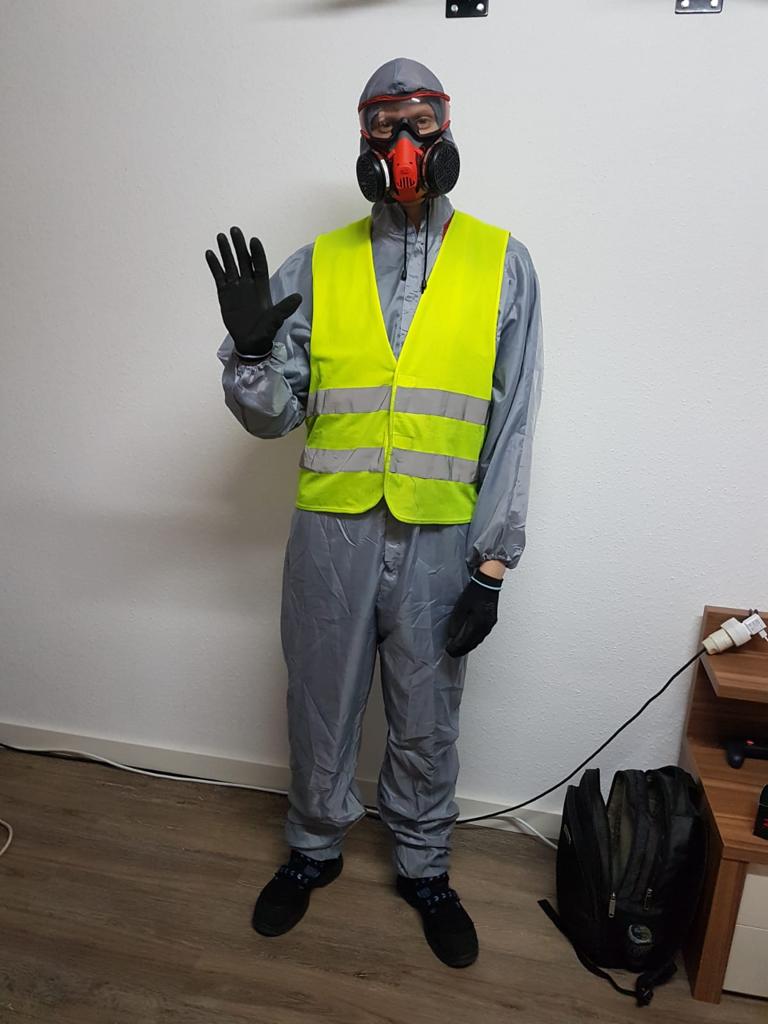
As experts in hazardous goods, Simply SAFE provides training, consulting, and support for your company. We ensure that you comply with legal regulations and handle hazardous goods safely. Our practical training courses and customized solutions make handling hazardous goods easy and safe.
We take care of the following tasks:
- Overview and compliance with legal regulations
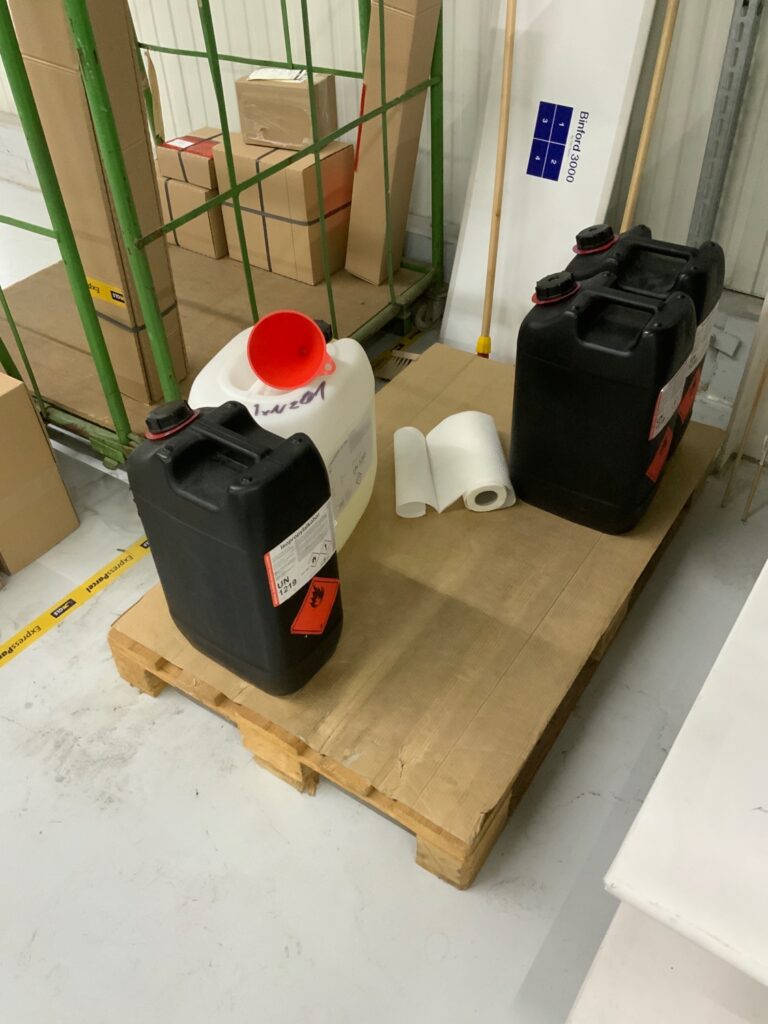
- Safe storage and transport
- Labeling and documentation
- Training and raising awareness among employees
- Emergency management and response plans
- Risk assessment and minimization
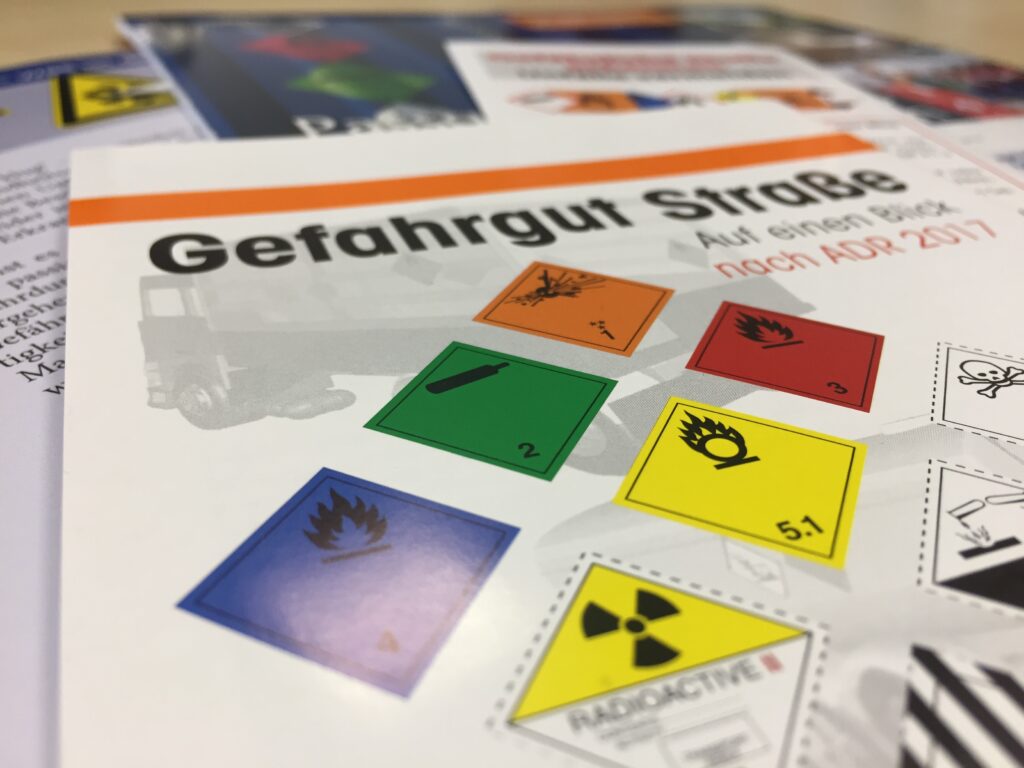
Hazardous goods at a glance
- personal support
- tailored to your requirements
- Documentation of all processes
Personalized advice
For hazardous goods, we need to find out more about your requirements in a personal consultation. So request your consultation now or contact us directly.
Erreichbar unter:
0 33 77 - 966 971 6
Time Saving
We focus on the essentials and get you to your destination as quickly as possible.
Cost efficient
We are independent trainers without a costly administrative apparatus, saving you up to 40%
Flexible
We can arrange appointments for your topics individually by arrangement.
Simply SAFE vor Ort
Zu finden in Deiner Region
Simply SAFE steht persönlich an Deiner Seite und berät Dich rund um das Thema Gefahrgut. Wir teilen unsere praxisnahen Kenntnisse für eine sichere Arbeitsumgebung in Deiner Region.
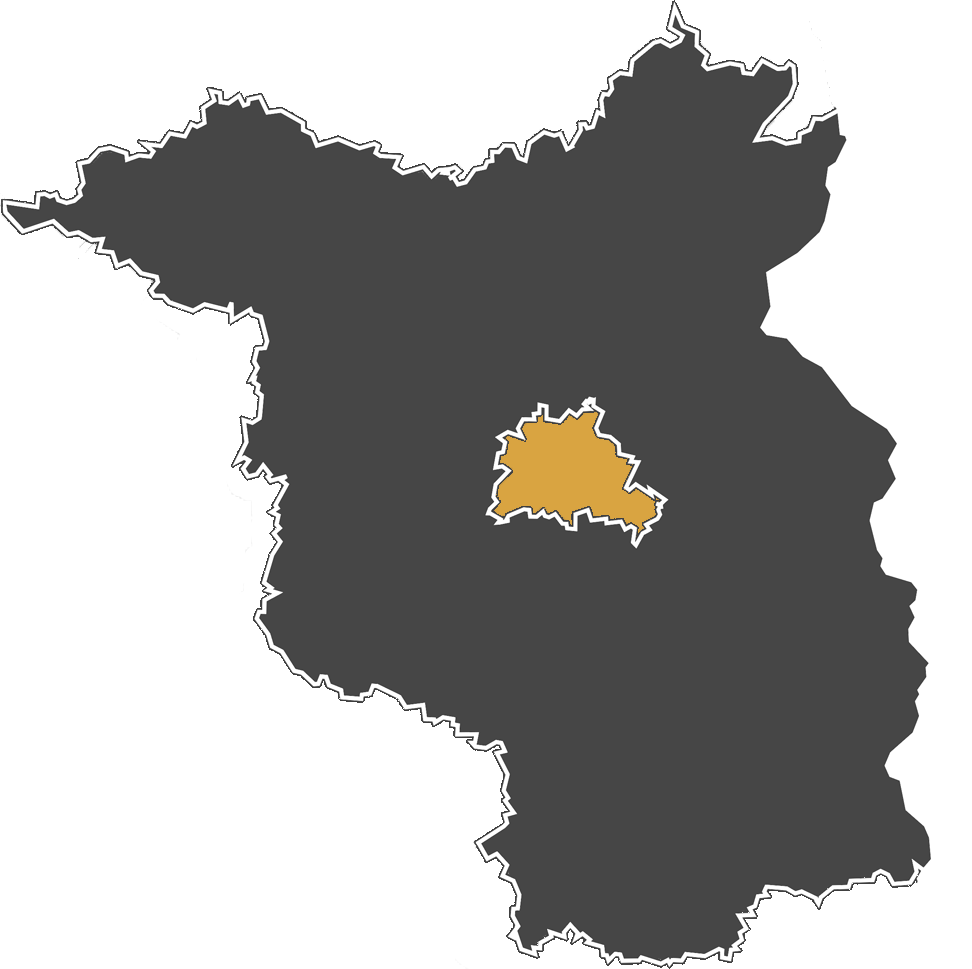
Charlottenburg-Wilmersdorf, Friedrichshain-Kreuzberg, Lichtenberg, Marzahn-Hellersdorf, Mitte, Neukölln, Pankow, Reinickendorf, Spandau, Steglitz-Zehlendorf, Tempelhof-Schöneberg und Treptow-Köpenick.
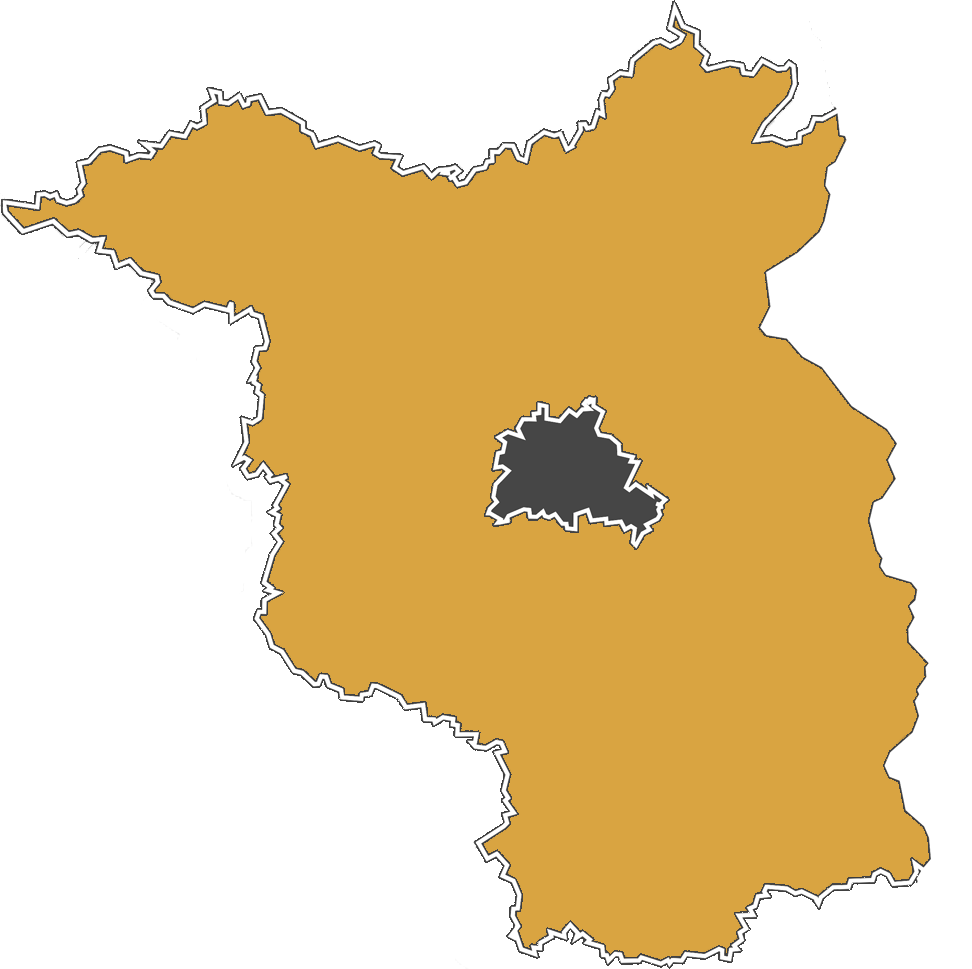
Barnim, Brandenburg an der Havel, Cottbus, Dahme-Spreewald, Elbe-Elster, Frankfurt (Oder), Havelland, Märkisch Oderland, Oberspreewald Lausitz, Oder-Spree, Ostprignitz-Ruppin, Potsdam, Potsdam-Mittelmark, Prignitz, Spree-Neiße, Teltow-Fläming und die Uckermark.
Your Expert for hazardous material
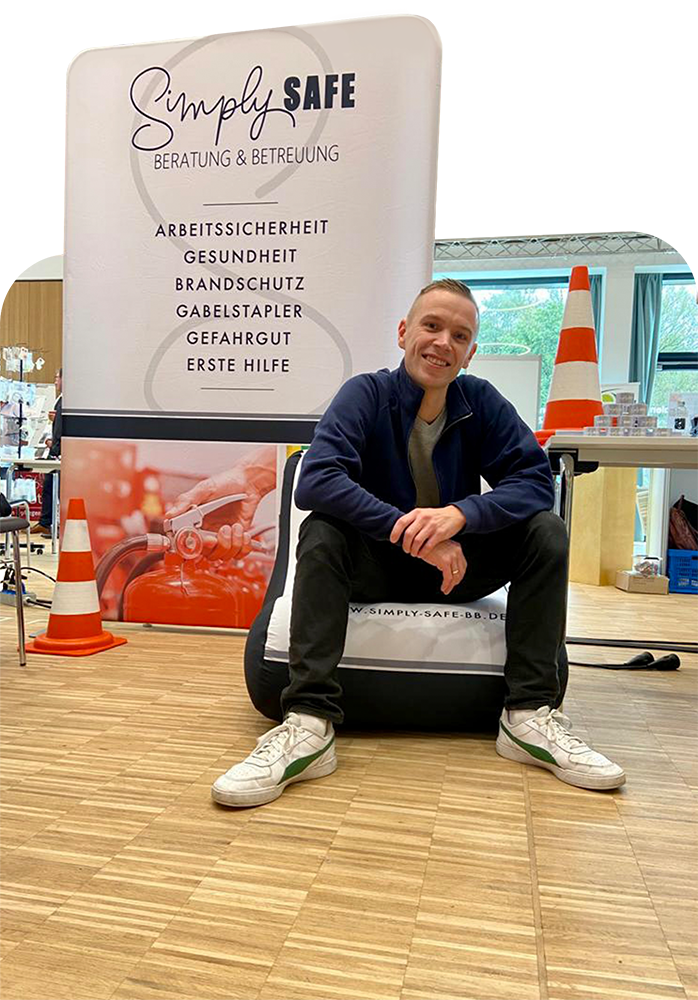
Renard Lehmann
- flexible in terms of time
- condensed to the essentials
- competent & Simply SAFE
What my customers say:
Seit 2016 eine super Zusammenarbeit! Von der allgemeinen Beratung bis hin zum speziellen, haben wir für alles die richtigen und individuellen Lösungen erarbeitet.
Toller Service und Zusammenarbeit. Besonders der hohe Qualitätsanspruch durch Herrn Lehmann ist anzumerken.
Sehr kompetent, Reagiert sofort auf Anfragen - so stelle ich mir das vor!
Kompetenter Ansprechpartner, mit der Betreuung durch Herrn Lehmann bin ich sehr zufrieden.
Sehr kompetentes und freundliches Team. So macht Weiterbildung Spaß
Sehr kompetenter Ansprechpartner im Bereich Arbeitssicherheit.
Super Kompetent, sehr Professionell ab jetzt unserer Berater für Sicherheit und Ersthelfer.
FAQs
Frequently Asked Questions
The most common questions about hazardous materials in companies can vary depending on the industry, size of the company, and specific needs. However, here are some general questions that we are often asked:
Dangerous goods include substances and objects that may pose a risk to health, safety, the environment, or property during transport. These include chemicals, flammable liquids, explosive substances, toxic substances, and radioactive materials.
The transport of dangerous goods is subject to international and national regulations such as the ADR (European Agreement concerning the International Carriage of Dangerous Goods by Road), the IMDG Code (International Maritime Dangerous Goods Code) for maritime transport, and the IATA DGR (International Air Transport Association Dangerous Goods Regulations) for air transport.
Dangerous goods must be packaged, marked, and labeled in accordance with specific regulations. These include dangerous goods labels, UN numbers, packaging groups, and information on special handling and storage conditions.
Employees must receive special training covering the handling of dangerous goods, knowledge of regulations and safety measures, and emergency procedures. Dangerous goods officers must also pass a certified examination.
A dangerous goods safety advisor is responsible for monitoring compliance with regulations, training employees, preparing reports, and advising the company on handling dangerous goods.
Specific documents are required for the transport of dangerous goods, including the transport document (waybill), the safety data sheet, written instructions (accident information sheets), and, where applicable, approvals or permits.